







PedalSwap
Founder & Lead Product Design Engineer
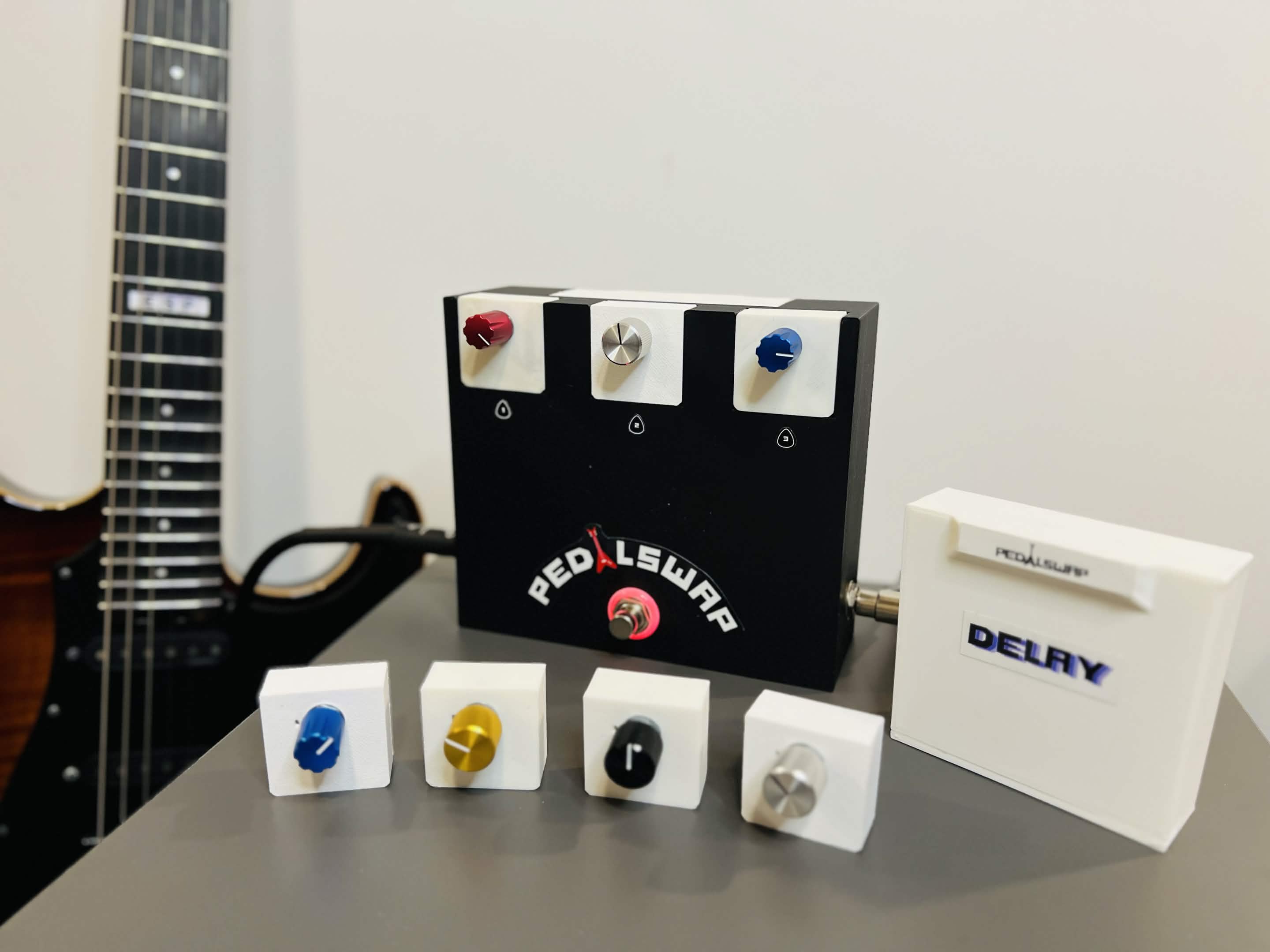
PedalSwap is a startup modular guitar effects platform, geared towards giving beginner guitarists the freedom to experiment with their own tone and style at a low price point while enabling more advanced users with features to create a vast range of high-quality, intentional sounds. As the sole mechanical designer, I lead the physical development of PedalSwap as my team of 2 other founders and I have taken the product from an idea to a production-ready, user-friendly, attractive product.
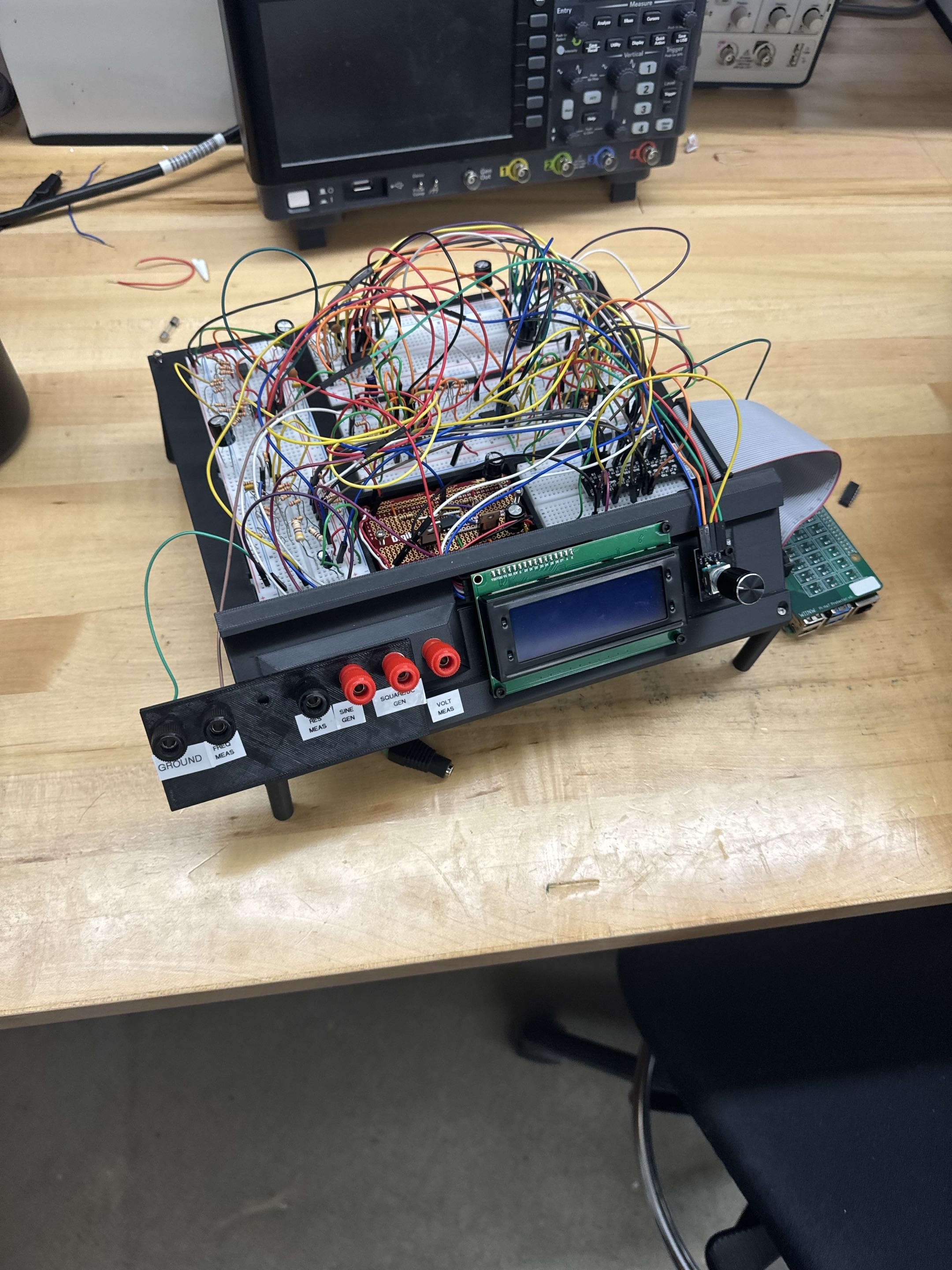
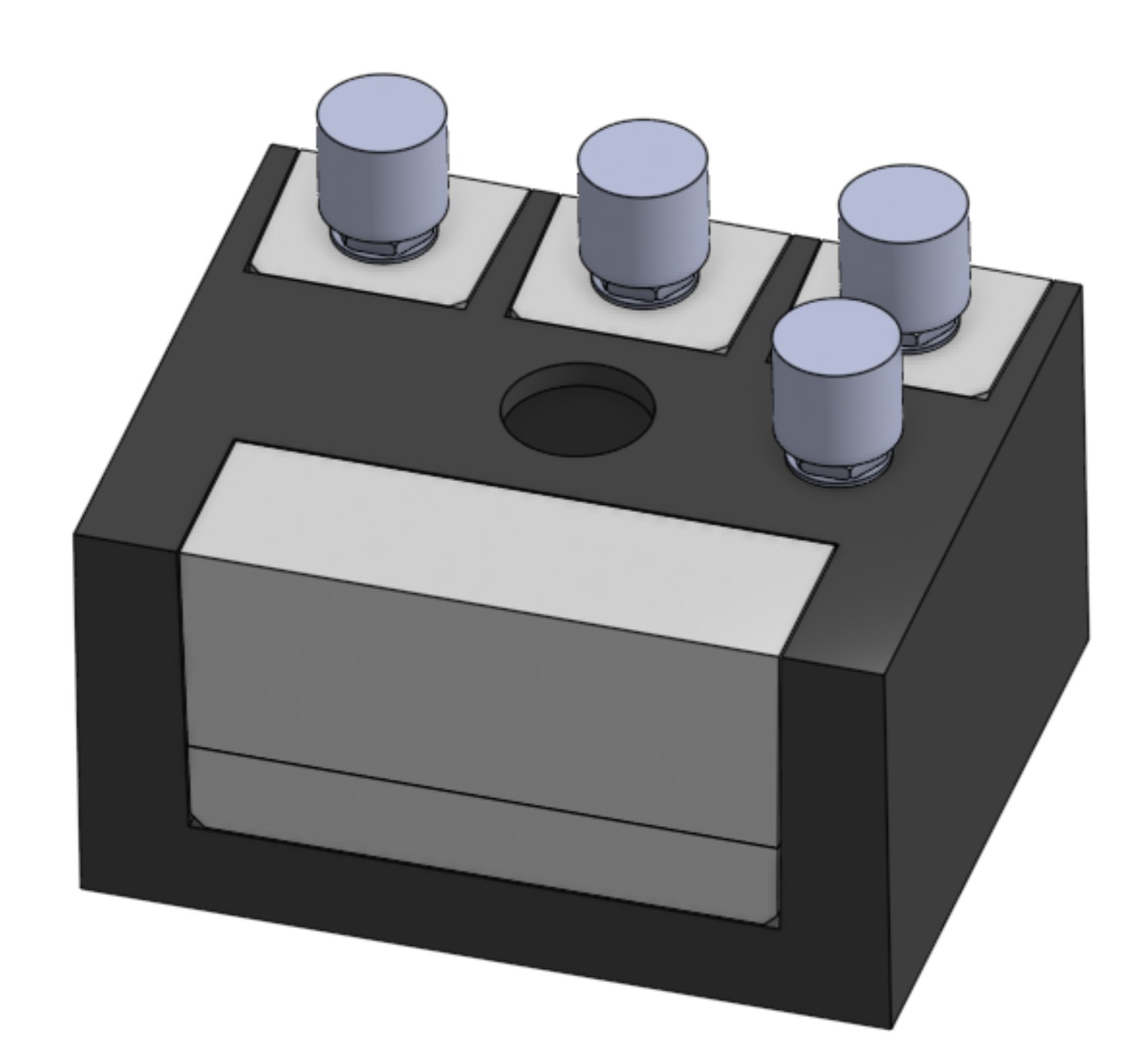
I was first brought on to design the prototype mechanical architecture and integrate all the electrical subsystems: effectively, figure out how to make an enclosure and swappable control knobs around a pile of breadboard circuits usable and enjoyable. This rigorous early phase required extremely fast prototyping where my partners and I would talk through a couple iterations and ideas, and I would have them designed, 3D printed, and tested within the following couple hours over and over again for a week straight. The design only required functionality, so many of these ideas had us experimenting with broad concepts of how the user might interact with the product or what we could do to set ourselves apart from other products on the market. By the end of that week, with over a dozen iterations to the design and product made, our work culminated in a highly successful proof-of-concept that secured 2nd place at Georgia Tech's Idea to Prototype competition.
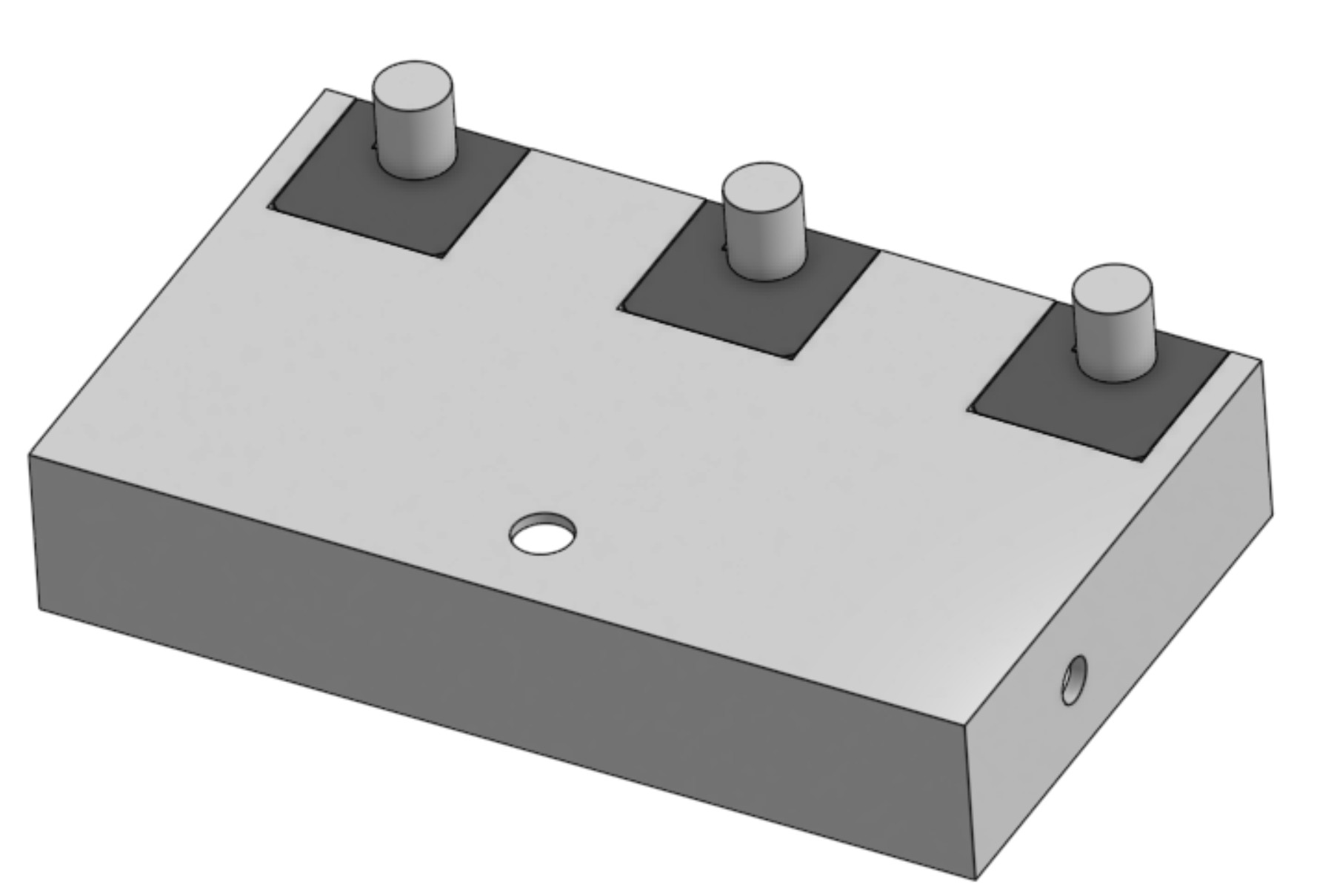
After the success of our competition and seeing the excitement of musicians and non-musicians alike at our showcase for the design, we decided to keep it going and compete in the Georgia Tech Inventure Prize. The priorities during this transition were turning this prototype into a real product, which meant prioritizing ergonomics, user experience, and attractiveness. I refined the 3D-printed magnetic connection system, allowing users to intuitively swap analog effect circuits in addition to the control knobs without managing complex wiring, and iterated this mechanism to allow for extremely natural use. This iteration transformed a raw functional prototype into an attractive, user-friendly consumer device, ultimately winning 2nd place, $10,000, and patent funding.
Now, the focus is on optimizing the platform for manufacturability at scale and reliability when exposed to real use conditions, while still maintaining the functionality and attractiveness developed in previous iterations. I am actively refining the system integration to ensure the final product cannot be damaged even under diverse use cases, can be sold at an affordable price point, and incredibly easy to assemble for us as a business. This process involves continuous failure analysis and part fabrication optimizations to balance a resilient mechanical design with an accessible, usable look and feel. Additionally, I am in the process of making engineering drawings for the patent filing for this device to make a claim on our invention.